



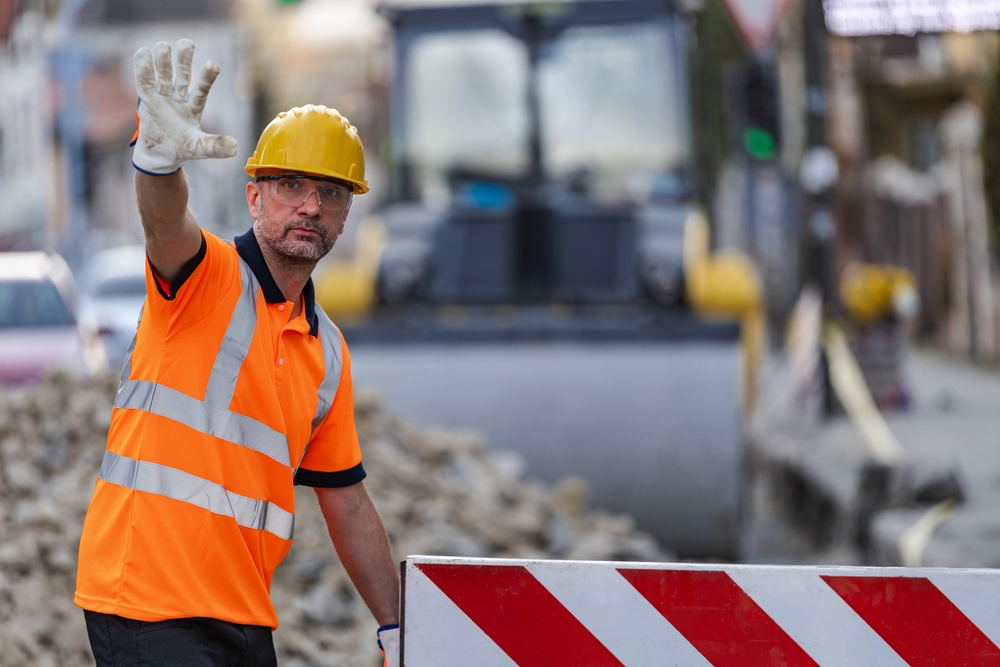
With rising city traffic, recurring congestion, and the growing need for stricter safety standards, dedicated traffic management vehicles (TMVs) are a must for many site projects on roads and motorways.
Equipped with all kinds of handy features, these vehicles reduce delays caused by poor organisation or unmanaged traffic routes. Here are five ways traffic management vehicles improve site efficiency.
Key takeaways
- TMVs lead to improved traffic flow
- TMVs result in more safety on the road
- TMVs can help reduce delays
- TMVs handle roadwork materials better
- TMVs improve coordination and communication on-site
- Hire your traffic management vehicle from 2 Rent today
TMVs lead to improved traffic flow
One way that traffic management vehicles improve site efficiency is by keeping roads clear and easing congestion. With LED arrow boards and reflective markings, they give drivers clear directions, cutting down on confusion and lowering the risk of collisions. The rules around temporary signs and markings are there to keep things simple for drivers – making sure instructions are easy to follow, traffic keeps moving, and everyone stays safe.
- Vehicle-mounted LED arrow boards, dynamic message signs, and reflective markings provide clear instructions to drivers, preventing confusion.
- Dropside or narrow-bodied vehicles can quickly deploy cones and barriers to help traffic routes adapt without major hold-ups.
- In pedestrian zones or restricted spaces, compact vehicles allow teams to control traffic patterns without blocking lanes.
TMVs result in more safety on the road
Traffic management vehicles also protect road crews from oncoming traffic. Thousands of incidents involving drivers going through cones and into roadwork sites are reported each year. This is why TMVs, like impact protection vehicles, are so important – by acting as mobile barriers that shield workers and equipment, and you can book these units through our Traffic Management Vehicle Hire offering for highway and street‑works schemes.
According to the Health and Safety Executive (HSE), traffic routes must be clearly marked and signposted to keep people safe, with signs placed so drivers have enough time to react before reaching any hazards.
- Impact protection vehicles (IPVs) act as mobile barriers, shielding staff and equipment from passing vehicles.
- High-visibility signage, warning lights, and reflective markings improve driver awareness and compliance with speed limits.
- Mounted traffic cameras and sensors allow traffic monitoring for early detection of risks.
Looking for reliable traffic management vehicles? Speak to 2 Rent today and get safety-checked, fully equipped hire vehicles delivered directly to your site.
TMVs can help reduce delays
Traffic management vehicles manage routes, reduce bottlenecks, and support incident response teams to quickly restore safe driving conditions after collisions – this improves site efficiency by keeping traffic flowing with little disruption.
- Built-in racking systems on TMVs allow quick deployment for signs, cones, and barriers.
- Mobile traffic signals and enforcement tools used by TMVs minimise bottlenecks and improve traffic flow.
- Incident response teams can use TMVs as a base to quickly restore safe conditions after collisions or breakdowns.
Did you know? In 2019, Highways England trialled the UK’s first all-in-one incident response vehicle called the Enhanced Customer Response Unit (ECRU) to help stop traffic, clear spillages, and carry out emergency repairs in one go.
TMVs handle roadwork materials better
Traffic management vehicles improve site efficiency by streamlining material handling and making sure essential equipment is always ready to use. Their dropside design and organised racking systems allow road teams to load and unload cones, barriers, and signage quickly and safely.
- Dropside TMVs with low chassis heights reduce strain for vehicle operators when loading cones and barriers.
- Organised racking systems on TMVs prevent damage to expensive gear like traffic signals, high-visibility signage, and speed cushions.
- Secure storage included on TMVs improves compliance with safety standards and reduces the risk of delays caused by missing equipment.
- Larger TMVs can carry more, reducing repeated trips and supporting road expansion projects.
TMVs improve coordination and communication on-site
Finally, traffic management vehicles help teams, drivers, and enforcement authorities communicate better when on-site. Equipped with cameras, sensors, and GPS, they provide real-time traffic updates and keep drivers informed of diversions and updated speed limits.
The Department for Transport says that communication between local authorities, contractors, and road users is needed to keep disruption to a minimum and keep sites safe. This makes sure that any relevant info about diversions, closures, and speed restrictions is shared quickly wherever it’s needed.
- With cameras, sensors, and GPS, TMVs provide real-time insights into traffic patterns.
- Mounted message boards and LED arrow boards on TMVs keep drivers informed about diversions, speed limits, and hazards.
- TMVs equipped with traffic cameras support traffic enforcement and compliance with safety standards.
Hire your traffic management vehicle from 2 Rent today
Hire your fully equipped, safety-checked traffic management vehicle from 2 Rent today to keep your project efficient and on schedule.
Our impact protection vehicles (IPVs) help you manage roads safely and effectively. With nationwide coverage, we can deliver directly to your site anywhere in the UK, and our flexible hire options let you choose between self-drive or fully operated support. Backed by transparent pricing and end-to-end service, we take care of everything from delivery to ongoing support, so your team can work with complete confidence.
Hire your traffic management vehicle from 2 Rent today, get your free online quote now!
Traffic management vehicle FAQs
A traffic management plan provides a structured approach to keeping roads, construction sites, and public spaces safe and efficient. They reduce congestion, prevent accidents, and keep the site compliant with highway safety standards. Similarly, they help coordinate vehicle and pedestrian movements and improve overall efficiency.
Traffic management is important for keeping roadworks safe, disruption-free, and on schedule. They make sure vehicles and pedestrians move through work zones safely, while protecting construction teams and equipment from risks. Traffic management also improves traffic flow, reduces the chance of collision, and keeps the site compliant with local authority regulations. Without traffic management, projects face higher risks of accidents and delays.
Traffic flow around a construction site is managed through a combination of traffic management vehicles, signage, and temporary traffic signals. These guide drivers safely through diversions and restricted areas. Impact protection vehicles and cone deployment units are commonly used to set up safe zones, while LED arrow boards offer real-time updates to road users.
Latest News

How much does cherry picker hire cost in the UK? (2026 price guide)
Read more
Daily vs weekly cherry picker hire: Which is better?
Read more
5 ways traffic management vehicles improve site efficiency
Read more
10 reasons businesses choose road sweeper hire for their projects
Read more
GNSS meets 3D scanner: A look inside the viDoc®
Read more
How to repair potholes: Streamlining fixes with Elastomac
Read more
The top 5 applications for Ground Penetrating Radar (GPR)
Read more
What is a Ground Penetrating Radar (GPR)?
Read more
Self-drive vs. operated cherry picker hire: Which one is right for you?
Read more
How crane truck hire can save you time and money on your next project
Read more