



If you’re planning works at height, one of the first questions is simple:
How much does cherry picker hire cost in the UK?
What will it cost you per day? Per week? Per hour? And what’s going to push the quote up?
This matters even more if you’re working on a live site. A late delivery, the wrong machine, or missing compliance paperwork can stop the job from happening entirely. Then you’re dealing with downtime, missed handovers, penalties, or rework that eats your margin.
This guide breaks down:
Jump to:
- What does cherry picker hire cost in the UK?
- What are cherry picker hire costs by duration?
- What are the cherry picker hire costs by machine type?
- Should you choose an operated or self-drive cherry picker hire?
- What’s included in a cherry picker hire quote?
- What affects cherry picker hire costs in the UK?
- Are there any hidden cherry picker hire costs to watch out for?
- What’s the difference between cherry picker hire and scaffolding?
- What are the training and compliance requirements for cherry pickers?
- Should you hire a cherry picker or buy outright?
- How to choose the right cherry picker hire for your site
- How to reduce downtime on live sites
Quick answer: What does cherry picker hire cost in the UK?
In most cases, cherry picker hire costs in the UK sit in these ranges:
- Self-drive cherry picker hire: Around £130–£700+VAT per day
- Operated cherry picker hire: Around £375–£595+ VAT per day
Weekly cherry picker hire usually works out better value, because suppliers tend to reduce the day rate for longer bookings. If you know the job will run over several days, a weekly rate can be easier to budget, with fewer admin headaches and less risk of paying repeated daily charges.
Emergency cherry picker hire and out-of-hours call-outs usually also cost more, because you’re paying for short-notice availability and unsociable hours of delivery staff.
The range of cherry picker hire costs is varied because “cherry picker” covers multiple MEWPs (Mobile Elevating Work Platforms). That’s why you’ll also see terms like MEWP hire prices, powered access hire, boom lift hire rates, and access platforms when looking for quotes.
Two cherry pickers with the same working height can be priced very differently depending on:
- Outreach (up-and-over capability)
- Terrain requirements (tracked, 4×4, stabilisers)
- Power type (electric, diesel, hybrid)
- Delivery distance and access constraints
- Whether you need an operator
When you request quotes, give the hire company your working height, whether you need outreach, and your site postcode. This will help you get an accurate quote on your cherry picker hire sooner.
What are cherry picker hire costs by duration?
Cherry picker hire costs change depending on how long you need the machine – hourly, daily, and weekly rates all cost you differently.
Hourly cherry picker hire rates are best for reactive jobs
Cherry picker hire can be done on a per-hour basis, which is most common for:
- Utilities maintenance, access, and urgent repairs
- Outages and emergency response
- Highway lighting, signage, and traffic equipment fixes
- Temporary access during power failures
- Short-call jobs where the site needs to reopen quickly
Hourly cherry picker hire quotes often come with a minimum charge of about four hours, though it can sometimes be more, depending on the provider or job. If you’re on a reactive maintenance job, hourly cherry picker hire rates can work well. You get quick access to the equipment without paying for a full day you won’t use.
Just be realistic about time. If your job includes traffic management, setup time, repositioning, or wait time for other trades, hourly cherry picker hire costs can quickly rack up.
Daily cherry picker hire rates are the most common
Daily cherry picker hire is the standard option for many planned works at height, such as:
- Commercial roof repairs/maintenance
- Facilities management
- Telecoms and utility work
- Tree surgery and forestry
- Construction site access
Daily cherry picker hire times usually run from 8 am to 5 pm – but not always. Check your supplier’s cut-off times and return rules. Some companies charge extra if you drop off your cherry picker hire late or if you need early delivery.
Weekly cherry picker hire is most common for ongoing projects
Weekly cherry picker hire pricing usually brings better value for longer-term jobs like:
- Multi-day construction and fit-out projects
- Motorway and infrastructure works that run across phases
- Repeat access over several days (e.g., signage, cabling, lighting)
Some cherry picker hire companies price it so that a 3–4 day hire can cost nearly the same as a full week. So if you’re hiring for around three days, you may already be close to the weekly rate, which tends to make weekly hire more cost-effective.
If you’re managing multiple sites, weekly cherry picker hire also stops the need for getting another quote after a day or two, and helps keep project costs more predictable.
Long-term cherry picker hire is ideal for multi-site projects
If you need cherry picker hire across multiple job locations or for a fixed period (i.e. monthly, quarterly), you can consider a long-term hire. These types of jobs can include:
- Facilities management contracts
- Retail and hospitality rollouts
- Solar and building retrofitting
If you need cherry picker hire over the long term or across multiple sites, working with one supplier removes a lot of risk related to working with many different suppliers, including potential inconsistencies, admin overload, and gaps in compliance documentation.
Get your cherry picker hire from 2 Rent today. Take advantage of our flexible hire terms, self-drive and operated options, and clear, transparent pricing. Contact us for your free quote now.
What are the cherry picker hire costs by machine type?
Cherry picker hire costs vary most by machine type, because each MEWP has a different build, reach, capacity, and transport requirement. In general, scissor lifts sit at the lower end, boom lifts cost more, and truck-mounted platforms are often priced higher again due to road-going setup and logistics.
Below you’ll find typical price ranges by type, plus practical examples of when each machine makes sense.
Scissor lift hire for affordable indoor use
A scissor lift hire cost is usually the most cost-effective option for jobs like:
- Warehouses and distribution
- Indoor maintenance
- Smooth-surface depot work
- Ceiling installs, lighting, and racking work
- Controlled environments where you only need straight-up access
Scissor lifts only move vertically. That makes them simple to use and often more cost-effective. They’re also common in low-emissions sites, keeping your site compliant and avoiding noise issues related to noisy diesel engines.
But they’re not built for rough ground. If you’re working on uneven terrain, try a boom lift.
Articulating boom lift hire for easy “up and over” access
An articulated boom lift rental (sometimes called a knuckle boom) is designed for “up and over” access. They cost more to hire but are very versatile. Typical uses include:
- Working around rooflines, extensions, and canopies
- Accessing plant and equipment behind obstructions
- Utilities infrastructure where you can’t park directly under the work
- Complex building facades, ducting, and cabling
If your site is constrained (e.g., narrow lanes, roadside barriers, vehicles parked close) articulated boom lifts can reduce the number of repositioning moves needed due to their design that reaches around obstacles. This saves both time and potential disruption.
Telescopic boom lift hire for safe work at height
A telescopic boom lift hire option is about straight-line reach and distance. Typical uses include:
- Large construction sites
- Steel frame and cladding work
- Utilities and infrastructure jobs where you need extended reach
- Highway work zones where you need to work at height while keeping the base in a safer position
Telescopic boom lifts often cost more the higher they can reach. Working height increases cost quickly, especially above usual ranges (16–20m).
The big trap here is confusing platform height vs working height. Working height typically includes the operator’s reach. Platform height is the physical platform. Many people quote the wrong one and end up with a machine that’s too small.
Always work from working height, not platform height. Add a margin so you don’t get caught short.
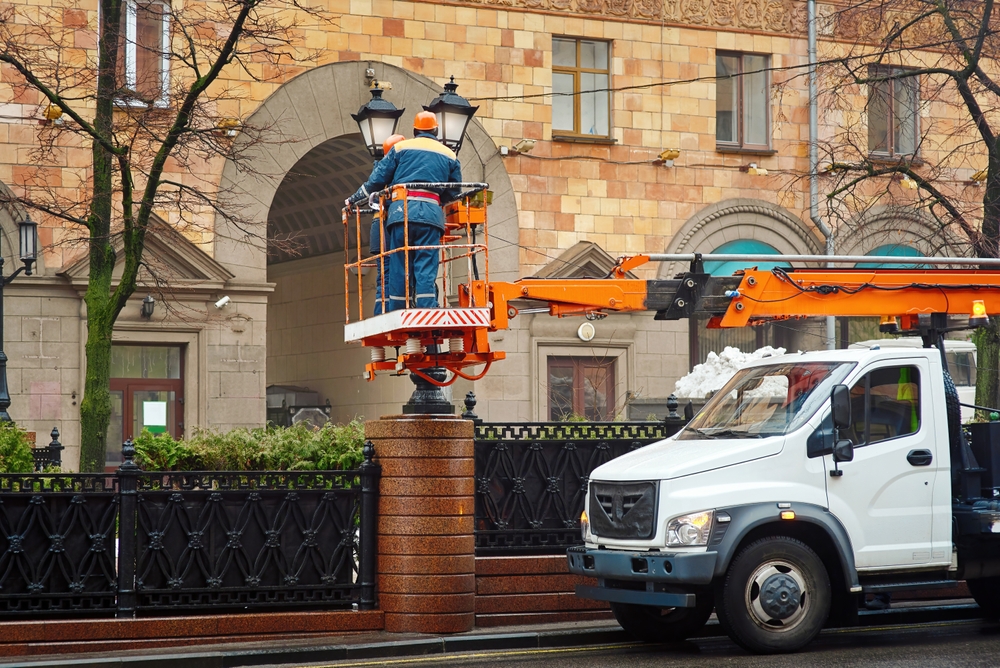
Truck-mounted cherry picker hire for quicker repositioning
Truck-mounted cherry picker hire is popular for work that needs quick moves between positions. Typical uses include:
- Highway access
- Street lighting and traffic signal work
- Signage and CCTV work
- Tree work along road networks
- Multi-point repairs where you can’t waste time on setup
The value here is speed. You can reposition quickly and keep the job moving. That reduces disruption and helps you hand over faster.
For site managers and utilities coordinators, this matters because the cost of disruption is often higher than the cherry picker hire cost. A truck-mounted cherry picker hire helps you keep traffic management time down and keeps the site moving.
Spider lifts help with steadiness on uneven ground
Spider lifts and tracked platforms are built for:
- Uneven ground
- Soft terrain
- Restricted access
- Narrow gates, tight depot entrances
- Sites where stabilisation and footprint matter
They’re often needed when you’re dealing with constrained access on infrastructure works, or you need terrain-adapted equipment that won’t get stuck.
They can cost more because they’re specialist equipment, and delivery logistics can be more complex.
Don’t gamble on ground conditions. If the site is uneven or soft, hire a spider lift from the start. It stops delays and failed deliveries.
What’s the difference between electric, diesel, and hybrid machines?
The power type of your cherry picker hire can help you excel in certain conditions or situations.
- Electric: Great for indoor work, low noise, no fumes
- Diesel: Strong outdoor performance, rougher terrain options
- Hybrid: Flexible choice for mixed environments
If you’re working in urban areas, depots, or council-controlled environments, power restrictions often matter. Electric and hybrid units can help you meet site rules without friction. Check site rules early. If noise and emissions are restricted, choose an electric or hybrid cherry picker.
Should you choose an operated or self-drive cherry picker hire?
Choosing between operated and self-driving cherry picker hire is a major decision, both in terms of safety and efficiency, but also for the overall cost.
Choose self-drive cherry picker hire if you have a qualified operator
Self-drive cherry picker hire works best when:
- Your operator is trained and certified
- The site is controlled
- You can manage the risks safely
You’ll usually need a valid IPAF licence (or PAL card), and you’ll need to work within the safety requirements of the machine and working environment.
Self-drive cherry picker hire can be cheaper on paper, but only if your team is prepared. On a live site with tight windows for getting work done, it can quickly start to rack up costs if the job slows down.
Choose self-drive cherry picker hire only if you’ve got trained operators and a controlled environment. If you’re unsure, operated hire is probably the safer option.
Choose operated cherry picker hire to reduce cost and efficiency risk
Operated cherry picker hire comes with a trained operator. This reduces risk and improves pace, especially when:
- The site is live or public-facing
- Access is constrained
- Traffic management is involved
- The work is reactive and time-sensitive
- You need accountability
For infrastructure and utilities coordinators, operated hire can help you hit tight windows and deadlines. It can also reduce the chance of an incident, which is where costs get serious.
Safety should always be at the top of mind, so if you have any doubts about self-drive operators, it’s safer to pay for operated cherry picker hire.
Need the job done safely and smoothly? Choose operated cherry picker hire from 2 Rent and get a trained operator, the right machine for your site, and fast nationwide delivery. Request your quick, no-obligation quote today.
What’s included in a cherry picker hire quote?
Cherry picker hire quotes can look similar at first glance, but they tend to include different things which can affect the final cost.
A quote from a reliable vehicle hire partner typically includes:
- The machine
- A handover or familiarisation
- Standard safety checks
- Proof of inspection where required (often tied to LOLER certificate expectations)
- Delivery and collection terms (sometimes included, sometimes extra)
To be safe, you should double-check the following:
- Is VAT included?
- Is delivery included or charged separately?
- Is there a damage waiver option? What’s the excess?
- What are the pickup rules?
- What happens if you need an extra day?
- Who handles fuel or battery charging?
If you’re supporting multiple sites, ask for a consistent quote format. It reduces admin and prevents confusion. Don’t compare quotes by price alone. Ask for a written breakdown so you can spot extras early.
What affects cherry picker hire costs in the UK?
From working heights to site access constraints, a number of factors can affect the cost of cherry picker hire in the UK:
Larger working heights mean higher costs
The higher the cherry picker can get, the more it will cost to hire. Once you reach outside of the average working height of around 20m, you’ll need specialist equipment, which can set you back more.
It’s the same if you need to be able to reach over obstacles – only specialised equipment like an articulated boom lift will do the job.
Terrain and ground conditions can demand costlier equipment
A site with uneven ground requires a cherry picker that includes:
- High ground clearance
- Four-wheel drive
- Robust engines
- Stabilisation features
If you book the wrong cherry picker hire for your project, you risk delays or a machine that can’t safely operate on site.
Site access and constraints mean more expensive equipment
If your site has constrained access, you may also need to hire a more specialised cherry picker. This can include:
- Tight depot entries
- Narrow gates
- Urban roads with parked vehicles
- Limited setup space
- Live carriageways where positioning is restricted
Site location and logistics can increase costs
Delivery costs can add to the total cherry picker hire cost, and can include:
- Distance from supplier to site
- Machine size
- Transport requirements
- Access at the drop-off point
Hire duration and timing can be expensive
Weekend rates, out-of-hours delivery, and emergency cherry picker hire increase the price.
Seasonality can also play a part in the cost of your cherry picker hire. When demand rises, availability drops, and rates can shift in response.
The best way to control price is by making sure your cherry picker hire is accurate to your project needs. Measure site dimensions correctly, choose the right machine, and book with enough notice to avoid emergency pricing.
Are there any hidden cherry picker hire costs to watch out for?
Most “hidden costs” included in cherry picker hire aren’t really hidden. They’re just not explained outright. Here are some that site and project managers come across most often:
- Delivery and collection charges
- Failed delivery charges if the site is not accessible
- Damage waiver/insurance excess costs
- Fuel top-ups or charging expectations
- Waiting time for operated hires if the work area isn’t ready
- Extension charges if the job overruns
- Site surveys for awkward access
What’s the difference between cherry picker hire and scaffolding?
Cherry picker hire and scaffolding both help you work at height, but each comes with their own advantages.
When should you choose a cherry picker?
- You need fast access
- The work is short-term
- You need to move between multiple points on site
- You want minimal setup and removal time
- The site needs to stay open or live
When does scaffolding make more sense?
- You need access for long durations
- Multiple trades need continuous access
- You need full façade coverage for days or weeks
What are the training and compliance requirements for cherry pickers?
If you’re hiring access platforms like cherry pickers for professional use, you need to take compliance seriously – especially on highways and in utilities environments.
The main requirements needed include:
- Work at Height Regulations compliance
- Competence and training
- Equipment inspection expectations (often linked with LOLER requirements)
- Risk assessment and method statements
- Site rules, traffic management, and safe zones
For self-drive cherry picker hire, you’ll usually need an IPAF PAL card. Even with training, you still need proper planning and safe operation. For operated hire, you still need safe coordination. The operator handles the machine. You handle the site plan, safe access routes, and make sure the work area is ready.
Don’t treat compliance as paperwork. It protects your people, your site, and your schedule.
Should you hire a cherry picker or buy outright?
Buying a cherry picker outright can cost £10,000–£80,000+, depending on the size and type. Then you still have all of the following costs to shoulder during its lifetime:
- Maintenance and servicing
- Storage
- Insurance
- Breakdown risk
- Ongoing inspections and compliance
- Depreciation
Buying a cherry picker only makes sense if you use it consistently and you have the infrastructure to manage it properly.
For most live site operations and reactive works, cherry picker hire is the best option. It gives you the right machine for the job when you need it, without tying up your capital.
How to choose the right cherry picker hire for your site
Choosing the right cherry picker hire can be the difference between making and losing money on a project. Not sure what to keep in mind? Here’s a practical checklist you can use.
- Confirm your project’s working height (platform height + average person’s reach)
- Check if you need up-and-over access, not just vertical access.
- Review the ground conditions (smooth vs rough terrain)
- Check the site’s access route (gates, widths, tight turns, overhead obstacles)
- Confirm power type (electric/diesel/hybrid)
- Plan setup space (stabilisers, footprint, exclusion zones)
If you’re working on highways or utilities, add:
- Traffic management constraints
- Reinstatement timeline
- Public safety risks
- Minimal disruption targets
If you’re supporting multiple sites, also consider:
- Nationwide availability
- Consistent models
- Standard compliance pack
- Transparent pricing and invoice clarity
The fastest way to save money is by choosing the right cherry picker the first time. Wrong machine is a wasted day, disruption for your whole team, and money lost on the project.
How to reduce downtime on live sites
To reduce downtime on live sites, you need to stop delays before they start, by booking the right machine, confirming site details, and getting logistics and compliance locked in upfront.
- Choose the correct cherry picker the first time
- Confirm all measurements accurately
- Combine access with generators or sweepers where needed
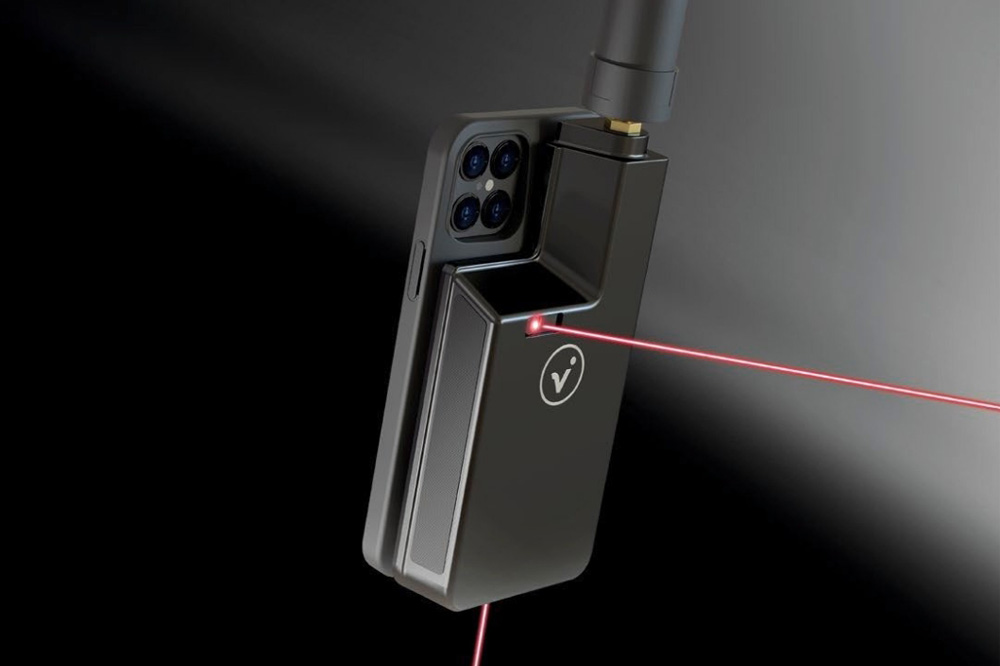
- Use precision survey tools like viDoc when accuracy matters
- Plan reinstatement speed if working on highways
Hire your cherry picker from 2 Rent today
Ready to book cherry picker hire with a team that keeps it simple?
2 Rent supplies compliant, well-maintained access equipment nationwide, with self-drive or operated options and clear, upfront pricing. Need cover across multiple sites or extra kit like generators and sweepers? We’ll sort that out for you, too. We’ve supported clients across industries with specialised access equipment that keeps jobs moving on time and within budget.
Speak to 2 Rent now for a fast, no-obligation quote and get the right machine on site without the hassle.
Cherry picker hire FAQs
How much does it cost to hire a cherry picker for a day in the UK?
Cherry picker hire for a day in the UK typically costs £250–£600, depending on the machine type, working height, hire duration, and your location (plus any delivery/collection charges).
How much is cherry picker hire per hour?
Cherry picker hire per hour is usually priced as a minimum half-day or full-day hire, rather than a true hourly rate, but some suppliers offer short hires where available (with higher costs for emergency call-outs).
Is it cheaper to hire a cherry picker or scaffolding?
For short-term jobs, cherry picker hire is often cheaper and faster than scaffolding, especially when access is needed for a day or two and set-up time matters.
Do I need a licence to hire a cherry picker?
You don’t need a driving licence for cherry picker hire, but for self-drive cherry picker hire, you’ll usually need appropriate IPAF training and proof of competency.
Can I hire a cherry picker with an operator?
Yes, cherry picker hire with an operator is available at 2Rent, and it’s often the simplest route for safe, compliant use when you don’t have trained staff.
What height cherry picker do I need for a two-storey building?
For a typical two-storey building, cherry picker hire usually means a machine with around 10–14 metres working height, but you should measure the access point and allow for safe clearance and reach.
What’s the difference between a boom lift and a scissor lift?
The main difference between a boom lift and a scissor lift is flexibility. A boom lift gives outreach and can reach over obstacles, while a scissor lift mainly moves vertically and is best for straight-up access on level ground.
Do cherry picker hire prices include delivery?
Cherry picker hire prices don’t always include delivery, so confirm delivery and collection fees, access requirements, and any waiting-time charges before booking.
Can cherry pickers be used on uneven ground?
Yes, cherry picker hire can work on uneven ground, but you’ll typically need tracked, 4×4, or rough-terrain machines designed for softer or sloping surfaces.
What insurance do I need when hiring a cherry picker?
For cherry picker hire, you’ll usually need cover for damage and third-party liability, and many hire companies offer a damage waiver. Always check what’s included, the excess amount, and what isn’t covered.
Latest News
Daily vs weekly cherry picker hire: Which is better?
Read more

5 ways traffic management vehicles improve site efficiency
Read more

10 reasons businesses choose road sweeper hire for their projects
Read more
GNSS meets 3D scanner: A look inside the viDoc®
Read more
H1: How much does cherry picker hire cost in the UK? (2026 price guide)
Read more
How to repair potholes: Streamlining fixes with Elastomac
Read more
The top 5 applications for Ground Penetrating Radar (GPR)
Read more
What is a Ground Penetrating Radar (GPR)?
Read more
Self-drive vs. operated cherry picker hire: Which one is right for you?
Read more
How crane truck hire can save you time and money on your next project
Read more