



If you manage a live site, you already know that access delays cause all kinds of problems. Increased hire costs, crew delays, closure extensions, and much more. And when this happens, the financial impact is rarely limited to the hire invoice.
So when you’re deciding between daily cherry picker hire and weekly cherry picker hire, you’re essentially deciding how much operational risk you’re prepared to carry. Whether you oversee construction works, highway maintenance, utility repairs, or multiple depots, the right hire offers certainty on your project – the wrong one can cost you big time.
Let’s compare daily and weekly cherry picker hire to see which is best for you and your project. We’ll cover:
Jump to:
- Should you choose daily or weekly cherry picker hire?
- What affects cherry picker hire cost?
- Should you choose daily or weekly hire for reactive works?
- Should you choose daily or weekly hire for planned works?
- What are the hidden cherry picker hire costs?
- What are the cherry picker hire compliance and safety essentials?
Should you choose daily or weekly cherry picker hire?
If you’re unsure whether to go for daily or weekly cherry picker hire, keep the following in mind:
- Are you doing 1–2 days of defined work with a short window of time?
Daily cherry picker hire keeps you flexible and efficient. - Is your work closer to 4–5 days, with a high potential risk of delay?
Weekly cherry picker hire protects you from overspending unnecessarily
What does daily cherry picker hire offer?
Daily cherry picker hire is built for flexibility. It works best when the task is defined, contained and unlikely to drift. If you’re responding to a utility fault, replacing a lighting column, completing a quick signage install or carrying out survey work, booking an access platform for a single day is the most sensible choice.
You pay for what you use. If the job finishes early, you’re not left covering idle time.
However, daily cherry picker hire introduces another type of risk. If the work overruns, you may face extension charges. If the machine has to leave your site and return later, you may pay additional delivery fees. On busy projects, availability can also become an issue if you need to rebook quickly.
Daily cherry picker hire protects cash flow on short, predictable tasks. But it can become a problem if the job shifts last minute.
What does weekly cherry picker hire offer?
Weekly cherry picker hire is more about offering consistency to your project.
When a cherry picker stays on site across multiple days, you don’t have to worry about minor delays from rebooking. If another trade overruns or traffic management shifts slightly, your access platform is still there. That stability often matters more than the headline saving.
In many cases, weekly cherry picker hire cost per day becomes lower than stacking daily rates. But even if the financial difference is small, the impact on your operation can be massive. No rebooking, scheduling pressure, or scrambling for availability.
This is especially important on phased construction, rolling utilities upgrades and any programme where dealing with several third parties can create uncertainty.
What affects cherry picker hire cost?
Cherry picker hire cost varies widely because it depends on several factors, including:
What height are you working at?
The higher your cherry picker can reach, the more it will cost to hire. However, don’t just go off platform height – always consider working height, which includes the reach of the operator.
Typical cherry picker working heights are:
- Common working height: 10–16m
- High reach: 17–27m
- Specialist high reach: 28m+
For most day-to-day commercial jobs, above-average working heights start from around 20m+, which moves you onto bigger, heavier specialist machines that are priced higher.
Unsure what height cherry picker you need? Consider the following:
- Lighting column repair: Moderate height
- Bridge inspection: High outreach
- Gutter clearing and fascia repairs: Low to moderate height
- Roofline inspections/repairs: Moderate height
- Shopfront signage fitting: Moderate height with some outreach
- Warehouse racking checks/repairs: Moderate height
Is the working ground smooth or uneven?
Cherry pickers are a common machine to help you work from height, but not on rough, uneven terrain (e.g., groundworks, early-stage construction sites, quarries, etc.). If your site doesn’t have smooth ground, you might have to consider one of these specialist machines:
- Truck-mounted cherry picker hire
- Van-mounted access platform hire
- Articulated boom lift hire
- Telescopic boom lift hire
- Tracked spider lift hire
- Rough terrain boom lift hire
- Electric scissor lift hire
What power type does your project need?
Your project’s working environment also changes what power type your cherry picker should have. You usually have electric and diesel options to choose from:
Electric cherry picker hire suits:
- Indoor depots
- Warehouses
- Emission-sensitive sites
Diesel cherry picker hire suits:
- Highways
- Large infrastructure sites
- Open construction environments
- Hybrid options bridge both.
If you face power outages, you may need generator hire alongside your access platform.
Do you need an operator as part of your cherry picker hire?
The cost of cherry picker hire is also shaped by the compliance burden you’re willing to take on. This usually comes down to whether you want a self-drive cherry picker or an operated hire. So, what’s the difference?
If you choose self-drive MEWP hire, you’ll need to make sure your operator is certified under IPAF and compliant with PUWER regulations. This will make sure you avoid any non-compliance-related fines should anything happen while on site.
On the other hand, operated cherry picker hire avoids this entirely, as you’ll get a trained, certified operator as part of your hire agreement. Operated cherry picker hire is especially common on high-risk work sites like highways, local auth
- Highways and live traffic sites
- Rail and trackside environments
- Live industrial plants and factories
- Utilities and shutdown works
Get cherry picker hire from 2 Rent with self-drive or operated options, nationwide delivery, and transparent pricing. Request a fast, no-obligation quote today.
Should you choose daily or weekly hire for reactive works?
For reactive works, start with daily cherry picker hire, then switch to weekly hire once the job runs past 2–3 days or you know you’ll need the machine on standby.
Reactive maintenance is unpredictable, so a daily rate keeps costs tight while you assess the fault and confirm access needs. If the work extends, a weekly rate usually works out better value and avoids repeated extensions and admin.
The smart move is to review each day and move to weekly as soon as the timeline firms up.
Should you choose daily or weekly hire for planned works?
For planned works, choose weekly cherry picker hire if you expect 4–5 days of use or the programme could slip. Choose daily hire if you only need the machine for 1–3 fixed days.
When the scope and timeline are clear, weekly hire often lowers the effective day rate and keeps the machine on site, which cuts rebooking risk if other trades run late.
This is especially useful on multi-trade phases, lighting upgrades, and infrastructure jobs where access windows can move. If the job is genuinely short and locked in, daily cherry picker hire keeps spend tight.
What are the hidden cherry picker hire costs?
Hidden cherry picker hire costs usually come from delivery and collection charges, compliance and training gaps, damage waivers/insurance terms, and downtime caused by late or unsuitable machines.
Delivery and collection charges can quickly erode savings if you split bookings. On restricted urban sites, transport costs can be higher.
Compliance gaps are another hidden risk. Missing LOLER inspection records or invalid IPAF certification can halt work instantly. Verify your documentation before deployment to prevents expensive shutdowns.
Damage waivers and insurance terms also need clarity. Surface damage, weather exposure and deposit requirements should be understood upfront.
The biggest hidden cost, however, is downtime caused by supplier failure. Late delivery, incorrect machine specification or mechanical faults can derail tightly scheduled works.
How to reduce rework and repeat cherry picker hire
To reduce rework and repeat cherry picker hire, lock down measurements first, plan the access properly, and line up reinstatement and clean-up, so the job is finished in one visit.
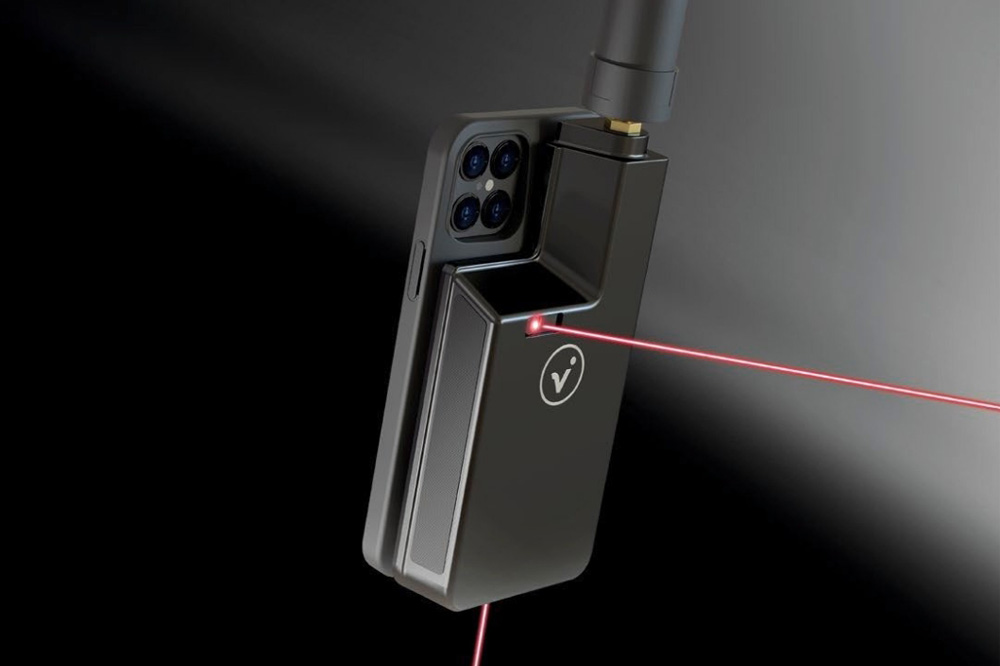
Improving measurement accuracy using tools like viDoc reduces the likelihood of returning onsite.
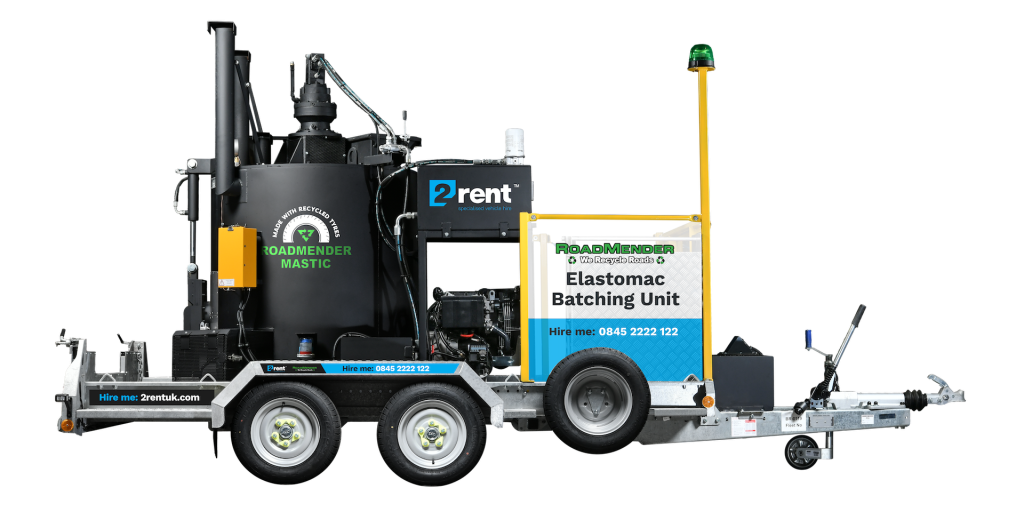
For highways and infrastructure repairs, fast reinstatement using Elastomac solutions can prevent programme delays and penalties. Supporting equipment such as site sweeper hire and tipper grab hire can also speed up handover.
What are the cherry picker hire compliance and safety essentials?
The cherry picker hire compliance and safety essentials are: a competent, trained operator (typically IPAF for self-drive MEWPs), in-date LOLER inspection records, PUWER compliance confirmation, and a site-specific risk assessment and rescue plan.
Working at height is high risk, so self-drive hire normally means your operator training and competency must be in place before the machine arrives. You should also verify the machine’s documentation (especially LOLER and PUWER) and make sure your method is backed by a clear risk assessment and a workable rescue plan for the exact site conditions.
Getting these essentials sorted upfront protects your team and helps keep the job moving without stoppages.
Is daily or weekly cherry picker hire best?
Daily cherry picker hire is best when the job length is uncertain or short (1–3 days), while weekly cherry picker hire is best when you expect consistent use across 4–5 days or delays are likely. The right choice comes down to what will cost you more in the real world: delivery and collection fees, rebooking risk, site access, terrain, and compliance requirements.
On live sites, the goal is usually to keep the programme moving. Plan around realistic use, confirm LOLER/PUWER paperwork and operator competency, and choose the right machine for the ground conditions. Downtime and disruption often cost more than the hire rate.
Hire your cherry picker from 2 Rent today
Need cherry picker hire that keeps your project on track? Tell us your site type, working height, ground conditions, and whether you need self-drive or operated hire. The expert team at 2 Rent will match you with the right machine the first time, with the paperwork checked and pricing confirmed upfront. That means fewer delays, less rebooking hassle, and far fewer surprise costs.
Get your fast, no-obligation quote today and keep the job moving.
Traffic management vehicle FAQs
A traffic management plan provides a structured approach to keeping roads, construction sites, and public spaces safe and efficient. They reduce congestion, prevent accidents, and keep the site compliant with highway safety standards. Similarly, they help coordinate vehicle and pedestrian movements and improve overall efficiency.
Traffic management is important for keeping roadworks safe, disruption-free, and on schedule. They make sure vehicles and pedestrians move through work zones safely, while protecting construction teams and equipment from risks. Traffic management also improves traffic flow, reduces the chance of collision, and keeps the site compliant with local authority regulations. Without traffic management, projects face higher risks of accidents and delays.
Traffic flow around a construction site is managed through a combination of traffic management vehicles, signage, and temporary traffic signals. These guide drivers safely through diversions and restricted areas. Impact protection vehicles and cone deployment units are commonly used to set up safe zones, while LED arrow boards offer real-time updates to road users.
Latest News

How much does cherry picker hire cost in the UK? (2026 price guide)
Read more
Daily vs weekly cherry picker hire: Which is better?
Read more

5 ways traffic management vehicles improve site efficiency
Read more

10 reasons businesses choose road sweeper hire for their projects
Read more
GNSS meets 3D scanner: A look inside the viDoc®
Read more
How to repair potholes: Streamlining fixes with Elastomac
Read more
The top 5 applications for Ground Penetrating Radar (GPR)
Read more
What is a Ground Penetrating Radar (GPR)?
Read more
Self-drive vs. operated cherry picker hire: Which one is right for you?
Read more
How crane truck hire can save you time and money on your next project
Read more