


IPAF 1B, 3A, and 3B are training categories used for powered access equipment. In simple terms, they show which type of MEWP (Mobile Elevating Work Platform) someone is qualified to operate safely. Different machines fall into different categories, so the right training matters before using or hiring equipment.
For example, IPAF 3A covers vertical machines such as scissor lifts, while IPAF 3B covers boom lifts and cherry pickers that can extend both upwards and outwards. IPAF 1B is slightly different again, covering static boom machines that stay in position while being used.
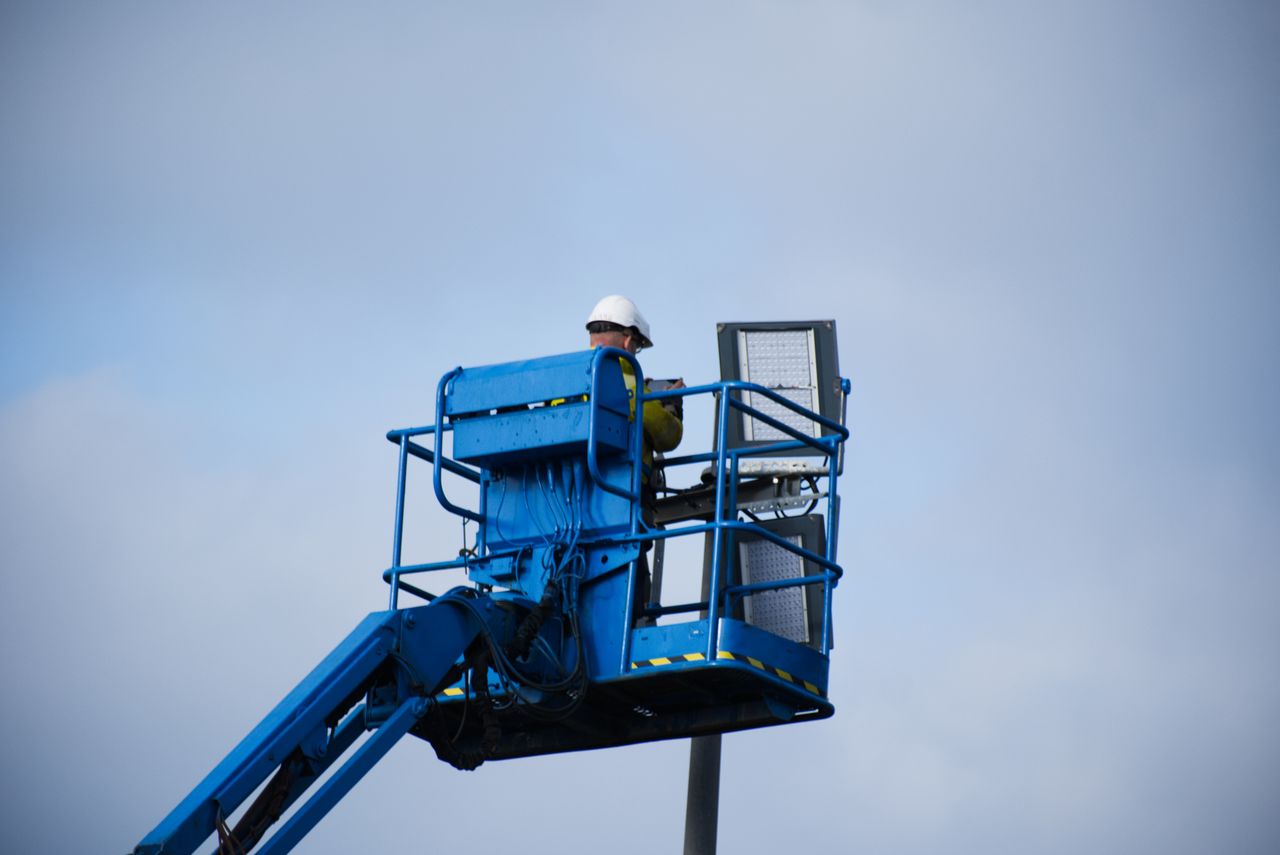
If you are looking into cherry picker hire, understanding these categories helps you choose the right machine and make sure the operator has the correct licence for the job. Whether you are arranging self-drive hire or managing a site team, matching the training to the equipment is an important part of staying safe and compliant.
In this guide, we’ll break down what IPAF 1B, 3A, and 3B actually mean, which machines fall under each category, and how to choose the right choice for your project.
What is IPAF 1B, 3A and 3B? A quick guide
The fastest way to understand IPAF categories is to match each one to the machine type.
| IPAF category | Machine type | Common equipment | Typical hire use |
|---|---|---|---|
| 1B | Static boom | Vehicle-mounted platforms, trailer-mounted booms, spider lifts | Outdoor access where the machine is set up in one place |
| 3A | Mobile vertical | Scissor lifts, mobile vertical platforms | Straight-up access for warehouses, fit-outs and maintenance |
| 3B | Mobile boom | Cherry pickers, articulated booms, telescopic booms | Reaching up, over or around obstacles |
What is IPAF 1B?
IPAF 1B covers training for static boom machines. These are boom lifts that are positioned and set up before use, rather than driven around while the platform is raised.
Common IPAF 1B-relevant machines include:
- Vehicle-mounted cherry pickers
- Trailer-mounted booms
- Spider lifts
- Some static boom platforms with outriggers
The word “static” can be misleading. It does not always mean the machine is permanently fixed in one place. For example, a vehicle-mounted platform can be driven to site, but once it is positioned and set up for the job, the boom is operated from that fixed setup.
IPAF 1B is often relevant for jobs such as:
- Tree surgery access
- Sign installation
- Street lighting work
- Building inspections
- Roofline repairs
- Telecoms work
- Access over walls, gardens or uneven ground
If the job needs outreach from a stable setup, IPAF 1B may be the category linked to the machine.
What is IPAF 3A?
IPAF 3A is training that covers mobile vertical machines. This usually means scissor lifts and other platforms that move straight up and down.
These machines are often used when the working area is directly above the base of the machine. They are popular for indoor and outdoor jobs where you need a stable platform and vertical access, but not much sideways reach.
Common IPAF 3A-relevant machines include:
- Electric scissor lifts
- Diesel scissor lifts
- Mobile vertical platforms
IPAF 3A is often relevant for:
- Warehouse lighting work
- Indoor fit-outs
- Ceiling repairs
- Stockroom or racking access
- Mechanical and electrical installation
- Commercial decorating
- Cladding and façade work where straight vertical access is enough
A scissor lift is often the right choice when you need platform space, tools and materials at height. It usually gives more room than a boom basket, making it useful for tasks where workers need a larger working area.
What is IPAF 3B?
IPAF 3B covers mobile boom machines like cherry pickers, boom lifts or articulated booms.
An IPAF 3B machine can usually move vertically and horizontally, helping the operator reach areas that are not directly above the machine base. This makes it useful when access is blocked by a wall, roof edge, parked equipment, landscaping or other obstacles.
Common IPAF 3B-relevant machines include:
- Self-propelled cherry pickers
- Articulated boom lifts
- Telescopic boom lifts
- Mobile boom platforms
IPAF 3B is often relevant for:
- High-level building maintenance
- Roofline access
- Signage work
- CCTV and lighting installation
- Telecoms work
- Cladding repairs
- External cleaning
- Construction access around obstacles
If you need to reach up and over something, an IPAF 3B machine is often more suitable than a scissor lift.
What is the difference between IPAF 1B and 3B?
IPAF 1B and 3B can both relate to boom-style access equipment, but the main difference is how the machine is used.
- IPAF 1B usually covers static boom equipment. The machine is set up in position, often with outriggers or stabilisers, before the boom is operated.
- IPAF 3B covers mobile boom equipment. These machines are self-propelled and designed to move around a site, with the correct controls and safe operating conditions.
A simple way to think about it:
- 1B: set it up, stabilise it, then operate the boom.
- 3B: drive and position the boom machine as part of the work.
IPAF also notes that different categories involve different operating methods and risks.
For example, a 1B-only operator would not have been trained to drive a 3B machine while elevated, while a 3B-only operator would not have been trained to set up a 1B machine with spreader pads.
So, if someone has 1B, that does not automatically mean they can operate 3B. The category needs to match the machine.
What is the difference between IPAF 3A and 3B?
The difference between IPAF 3A and 3B is usually the difference between a scissor lift and a cherry picker.
- IPAF 3A is for mobile vertical machines, such as scissor lifts. They move up and down, giving straight vertical access.
- IPAF 3B is for mobile boom machines, such as cherry pickers. They can reach vertically and horizontally, which makes them better for awkward access.
If you’re still unsure, ask yourself this:
- Need straight-up access in a warehouse? You may need a 3A scissor lift.
- Need to reach over a roof edge or obstacle? You may need a 3B cherry picker.
- Need more platform space for tools and materials? 3A may be more suitable.
- Need outreach and flexibility? 3B may be more suitable.
Both machine types are useful, but they solve different access problems.
Which IPAF category do you need for equipment hire?
| Job | Equipment | IPAF category |
|---|---|---|
| Replacing warehouse lighting | Scissor lift | 3A |
| Repairing a shopfront sign | Cherry picker or vehicle-mounted platform | 3B or 1B |
| Tree surgery access | Spider lift or boom lift | 1B or 3B |
| Indoor fit-out work | Electric scissor lift | 3A |
| External cladding repair | Boom lift | 3B |
| Street lighting work | Vehicle-mounted platform | 1B |
These examples are a guide only. The right setup should be based on the machine being hired and the site conditions.
Do you need IPAF training to hire 1B, 3A or 3B equipment?
If you are hiring the machine on a self-drive basis, the person operating it should have recognised training for the correct MEWP category.
The Health and Safety Executive says MEWP operators should have attended a recognised operator training course and received a certificate listing what they are trained to operate. It also advises checking the expiry date of the training card or licence.
An IPAF PAL Card is one of the most recognised ways to show this training and is valid for 5 years. A PAL Card is a Powered Access Licence for operating MEWPs, mast climbing work platforms or construction hoists. Operators need to complete an IPAF training course and pass a test at an IPAF Approved Training Centre to qualify.
What if you do not have the right IPAF category?
If you do not have a trained operator with the right category, you still have choices.
For one-off jobs or short-notice access work, operated MEWP hire may be the simpler route. This means the machine comes with a trained operator, so you can get the access you need without asking your own team to operate equipment they are not trained to use.
Operated hire can be useful for:
- Short-term access jobs
- Emergency repairs
- Work near public areas
- Jobs with awkward positioning
- Sites with limited space
- Businesses without in-house MEWP operators
- Jobs where you are unsure which machine is right
Need IPAF 1B, 3A or 3B equipment but not a trained operator? 2 Rent’s operated cherry picker hire service gives you the right machine with a qualified operator, backed by flexible hire, nationwide access and clear specialist support. Speak to the team to learn more now.
What should you check before hiring 1B, 3A or 3B access equipment?
Before you ask for a quote, try to gather a few project details. This helps us match the right powered access equipment to your site. Useful details include:
- The height you need to reach
- Whether you need to reach over an obstacle
- Whether the job is indoors or outdoors
- The ground surface and site access
- Any width, height or weight restrictions
- Whether the machine needs to be electric or diesel
- Whether work is near roads, pavements or public areas
- Whether you already have a trained operator
- Whether you need operated hire
You do not need every answer before getting in touch. We can talk you through the main points and recommend the best route.
FAQs about IPAF 1B, 3A and 3B
What is IPAF 1B?
IPAF 1B covers static boom machines, such as vehicle-mounted platforms, trailer-mounted booms and spider lifts. These are often used for outdoor jobs where the machine is set up in one place before the boom is operated.
Is IPAF 3A for scissor lifts?
Yes. IPAF 3A covers mobile vertical machines, which commonly include scissor lifts and mobile vertical platforms. These are usually used when you need straight-up access.
Is IPAF 3B for cherry pickers?
Yes. IPAF 3B covers mobile boom machines, which commonly include self-propelled cherry pickers, articulated boom lifts and telescopic boom lifts.
Can you use IPAF 3A for a 3B machine?
A 3A category does not automatically cover 3B machines. The training category should match the machine being operated.
Do I need IPAF if I hire access equipment with an operator?
If you hire access equipment with an operator, you are not operating the machine yourself. This can be a practical choice if your team does not have the right IPAF category for the equipment needed.
Need help choosing the right powered access hire?
Not sure whether you need IPAF 1B, 3A or 3B equipment? Speak to 2 Rent for flexible cherry picker hire choices, nationwide equipment access and straight-talking support from a specialist team that understands powered access.
We’ll take the time to understand your site, working height, access restrictions, timings and budget before recommending the right hire route. Whether you need self-drive access equipment, operated hire or support with more specialist kit, 2 Rent makes it easier to get the right equipment, in the right place, at the right time.
Get in touch today for clear pricing, expert advice and end-to-end support from quote to collection.